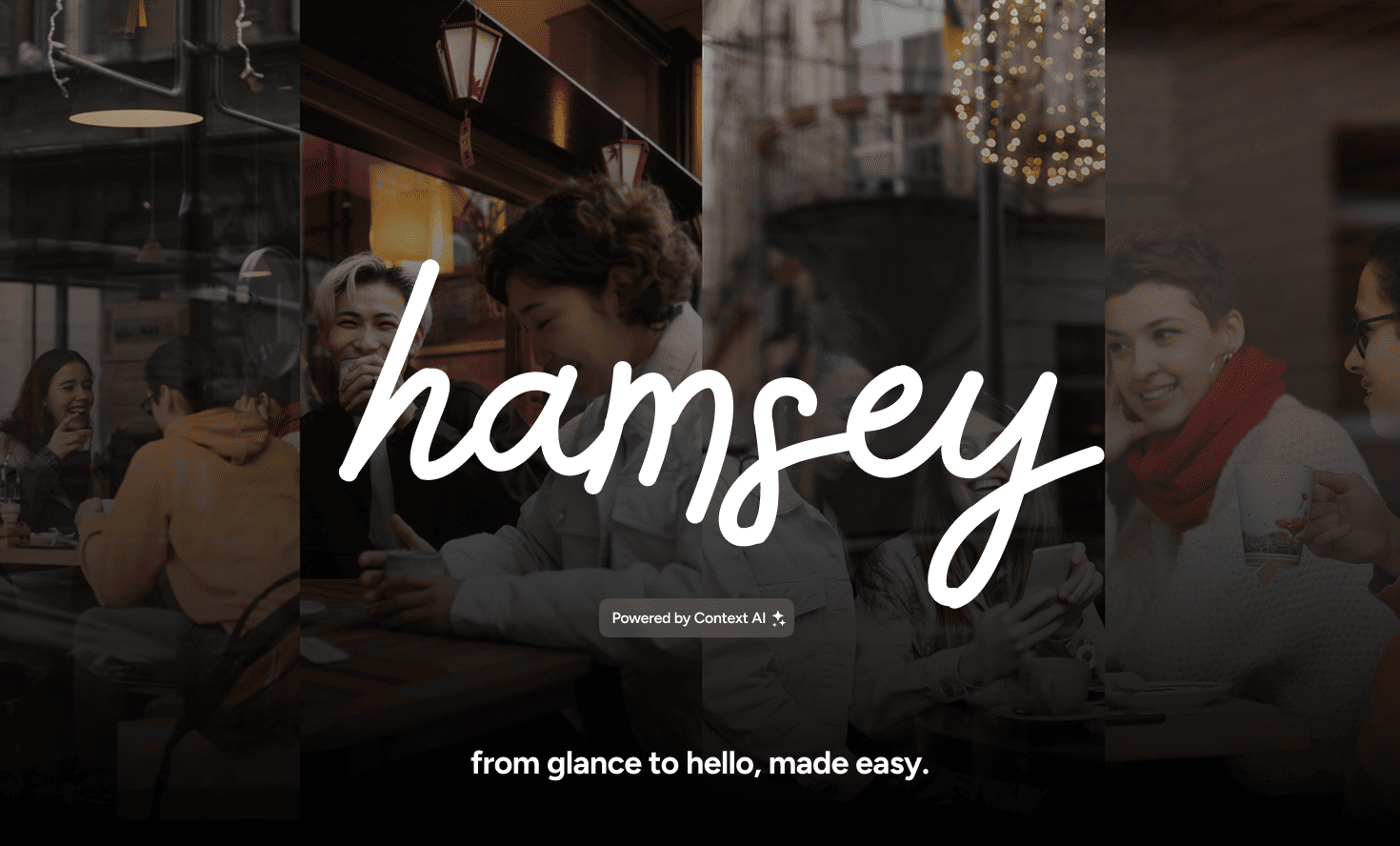
As we move through the mid-2020s, the pendulum of social technology is swinging back. We swung from "no tech" to "all tech" (the Metaverse/VR hype). Now, we are settling into the era of "augmented reality"—not goggles that block out the world, but technology that augments and enhances our real life experiences. We are craving dirt, skin, sunlight, and eye contact, but we want the efficiency of digital tools to help us get there.
Trend 1: Intentional Friction
Apps will start designing features that intentionally slow us down. Less mindless scrolling, more mindful connecting. We will see "unlock" features that require real-world actions—like being at a specific location or scanning a QR code together—to access content. The goal will shift from "time spent" to "time well spent." Frictionless is boring; friction creates memory.
Trend 2: The Loneliness Economy
With governments around the world appointing "Ministers of Loneliness" and declaring isolation a public health crisis, solutions tackling loneliness will move from "nice to have" to "essential." Investors and policymakers will pour resources into "social infrastructure"—both physical (parks, community centers) and digital (apps like Hamsey) that foster togetherness. Connection is the new wellness.
Trend 3: Privacy by Design
Users are done with being the product. The era of tracking pixels and selling location data to brokers is ending. The future belongs to Zero-Knowledge Proofs and localized data storage. Users will demand to own their social graph. Hamsey is built on this future: your location data is ephemeral, serving only to connect you in the moment, never to track you in the past.
Trend 4: Niche Micro-Communities
The "Town Square" (Twitter/X) is fracturing into millions of cozy living rooms. People are leaving massive platforms for smaller, interest-based groups. We will see a rise in hyperlocal DAOs (Decentralized Autonomous Organizations), neighborhood co-ops, and niche hobby groups managed via proximity apps. Small is the new big.
Conclusion
The future isn't about escaping reality into a virtual world. It's about using better tools to inhabit the physical world more fully. It's about looking up, not down. Hamsey is proud to be building the infrastructure for this human-centric future.
